V&T Daily
The latest travel news
|
|

subcontinental drift
By Merran White.
Published in the January-March 2012 issue.
Away from the chaos and cacophony of India's mega-cities, a houseboat on Kerala's backwaters offers a sybaritic, stress-free way to explore the region.
Arriving in the port of Kochi, the largest city in southwestern Kerala and the gateway to India’s backwaters, is a breath of balmy air. We’ve navigated the tip of the subcontinent from the state capital, Thiruvananthapuram, on the verge of the monsoon – temperatures are searing and time is limited. We make a beeline for the water.
We’re far from the first to arrive here via the sea: ancient Phoenician merchants plied the fertile Malabar Coast millennia ago in search of sandalwood and ivory and exotic spices – cardamom, cinnamon, pepper, ginger. Arab traders used monsoonal winds to speed vessels across the Arabian Sea, transporting aromatic treasures back to the Middle East and eventually, by camel train, to the mighty cities flanking the Mediterranean.
By the 10th century A.D., Christian and Muslim traders and a smattering of Jews had settled here. The ruling Namboothiri Brahmins ceded power to warlords who fought off repeated incursions by a terrain-hungry Portugal, heralded by explorer Vasco da Gama’s arrival in 1498. For nearly half a millennium, Portuguese, Dutch, French and British colonialists skirmished, the Brits gaining the upper hand only in the 19th century. Less than 100 years on, Keralans were in the vanguard of the independence movement that regalvanised India.
In 1957, a decade after the subcontinent’s independence, the people of Kerala brought the world’s first democratically elected communist government to power. Today, despite repeated changes of ruling party, this coastal state – aptly dubbed God’s Own Country – is one of the most literate in India (at around 96 percent, it tops even the U.S.), proud of its rich history and multicultural makeup.
Here, Hindu temples sit alongside centuries-old European-style churches and synagogues, Portuguese forts, Dutch palaces and Chinese fishing villages, evidence of a vibrant polyglot culture that encompasses dance, theatre, martial arts, literature – Booker-prizewinning author Arundhati Roy calls Kerala home – and a rich, sweet aromatic cuisine liberally laced with coconut and spices.
The state’s lifeblood these days – along with spices and seafood, cashew and coconuts, coir, rubber and rice – is a flourishing tourism industry, centering on the region’s vast network of waterways.
Around 900 navigable kilometres of interconnecting canals, estuaries, lakes and rivers, opening occasionally to the ocean, the Kerala backwaters encompass five main waterways – Kumarakom, Alleppey, Fort Kochi, Kollam and Kuttanad – each punctuated by villages, towns and island communities.
We beetle by mini-van from Wellington Island, Kochi’s historic port, past palm-flanked Marari Beach to Alappuzha, where our kettuvallam awaits.
Once used to transport rice from paddy fields to port, kettuvallams (roofed boats) fell into disuse with the advent of roads, bridges and ferries. Today, they’re back, converted into floating accommodations that range from the modest to the opulent. Fashioned sans nails from bamboo, palm, coconut fibre, coir and anjili wood, with polished teak floors and ceiling fans, dining tables and daybeds, the boats stretch to 35 metres and can house anything from two to 10 overnight guests or a few dozen day-trippers.

A swarthy Keralan with a cheerfully stoic demeanour, the helmsman of our simple two-bedroom boat, steers us out into midstream from under the shade of a black umbrella. We gaze out over the vast greenish expanse of Vembanad Kayal (India’s longest lake), littered with water hyacinths and edged by palms and pandanus. Our captain skilfully navigates the aqueous terrain, dodging boats piled high with sacks of rice, baskets of fish and coconuts, not to mention other kettuvallams, fishing craft and the odd palm-studded island.
We sip chilled coconut water and graze on murukku (mixed rice, spices and pulses) while river life slips by – people washing pots, hair and clothing, children swimming; on the shore, farmers are hard at work tending to crops and herding goats. We float past rice paddies and rustic homes, coir villages and coconut groves as our affable on-board chef prepares lunch.
At one point, the prow parts a gaggle of thousands of ducks. At another, a speedboat revs past, broadcasting via loudhailers that there’s a festival at the local temple. Minutes later, we pass it – a riot of flags and bright-hued saris, bold signs and blaring Bollywood-style music. Painted Barbie-pink, the temple needs no promotion – you’d have to be blind and deaf to miss it.
On the port side of the boat, another gaudy temple comes into view; on the starboard side is a purple house, its clothesline strung with a rainbow assortment of saris. A group of schoolgirls in pigtails and white uniforms troops along the path. Workers haul bags of cement up a slipway, seemingly oblivious to the heat.
By now, tantalising aromas are wafting from the galley and we’re keen to sample the local cuisine. With the motor (and fans) turned off, we mop our brows as we help ourselves to vallepam (fermented rice-paste pancakes filled with egg and meat) and moreish coconut-milk-laced curries. Despite the copious quantities of coffee and chai, we’re soon dozing on the daybeds.
Awakening to the squeals of kids splashing in the shallows, we toast to a fiery sunset as the staff light large mosquito coils – essential in this region – and begin preparing for the evening’s banquet. Our tireless chef has whipped up an elaborate southern Indian smorgasbord as we slept.
Moored outside a local village, generator and fans again extinguished, we load our plates with regional specialities: sweet pineapple, cashew, vegetable and Tharavu roast duck curries; spicy dhal; karimeen (pearlspot fish shallow-fried in coconut oil) and konchu pollichathu (grilled shrimps in dry tomato gravy). We mop it all up with Malabar porattas, Kerala-style flatbread. We eat so much we have to loosen our belts to fit dessert, which includes payasam, a sweet concoction of rice, bananas, jaggery and milk, simmered to a custard-like consistency.
By lantern-light, with a cacophony of insect sounds emanating from a velvety-black riverbank, it’s all terribly romantic – and soporific. Our fellow guests, still sprightly, head ashore to a “toddy shop” to partake of the local brew and swap stories with villagers. Not us: a fresh-sheeted bed beckons.
We wake to a chorus of birdsong – the backwaters are an ornithologist’s heaven, teeming with kites, kingfishers and cormorants, jacanas and ducks. Sun glitters off the water as we nibble on breakfast and locals are already out in force, herding livestock, wringing out saris, scouring pots and soaping torsos. We stop to stroll around a village where women weave coir mats and baskets in the sun, kids play cricket and goats chomp on waterside weeds.
Life here happens at a delightfully leisurely pace, giving us time to focus our cameras, trail our fingers in the water and laze on the daybeds until, a few blissfully idle hours later, we ease back in to shore.
We could have drifted around for weeks but, keen to see Kochi, we make our way back to port. There’s a visit to the foreshore fish markets, shaded by a canopy of rain-trees and flanked by cantilevered Chinese fishing nets; a whistle-stop tour of the old Portuguese fort; and a look at de Gama’s last resting place – a nondescript tomb in whitewashed St Francis’ Church (the actual remains were long ago shipped back to Portugal). And there’s a Kathakali performance to catch.
Typically, this classical dance form, enacting epic tales from the Ramayana and Mahabharata through elaborate facial expressions and gestures, consumes entire evenings. Awash with portly green-faced heroes, overly-made-up heroines (until recently, played exclusively by men) and fierce red- or black-faced villains and demons, Kathakali performances are elaborate and entertaining – though if we’d had to spend five hours on plastic chairs, we might have been less amused.
It takes years, apparently, to master the art; we get just a taste before traipsing back out to wander the foreshore, watching fishermen cast nets into a silver-shot Arabian Sea.
In the days that follow we explore the Crafters antiques complex in the city’s Fort Cochin district – studded with grand old houses built by the Portuguese, Dutch and British – and enjoy a winding scenic drive to Munnar hill station, beloved by British colonialists. We stop in on Periyar National Park – 777 square kilometres of densely vegetated land around a man-made lake, once the hunting ground of the Maharaja of Travancore and now a Project Tiger reserve – and sit down to endless Keralan meals.
Reluctantly, we bypass the Ayurvedic treatment centres for which the region is renowned, vowing to quit our day jobs and return to this enchanting place. Next time, perhaps, forever. •
Photography by Merran White and courtesy of Kerala Tourism.
TRAVEL FACTS
getting there
Fly direct from Australia to Chennai or Thiruvandrapuram in southern India with Tiger Airways, via Singapore to Mumbai with Qantas and Singapore Airlines, or via Bangkok with Thai Airways. From here, take a domestic flight to Kochi with Air India, Kingfisher Airlines or Spice Jet.
• Air India. airindia.in
• Kingfisher Airlines. flykingfisher.com
• Qantas. 131-313; qantas.com.au
• Singapore Airlines. 131-011; singaporeair.com
• Spice Jet. spicejet.com
• Thai Airways. 1300-651-960; thaiairways.com.au
• Tiger Airways. tigerair.com
getting around
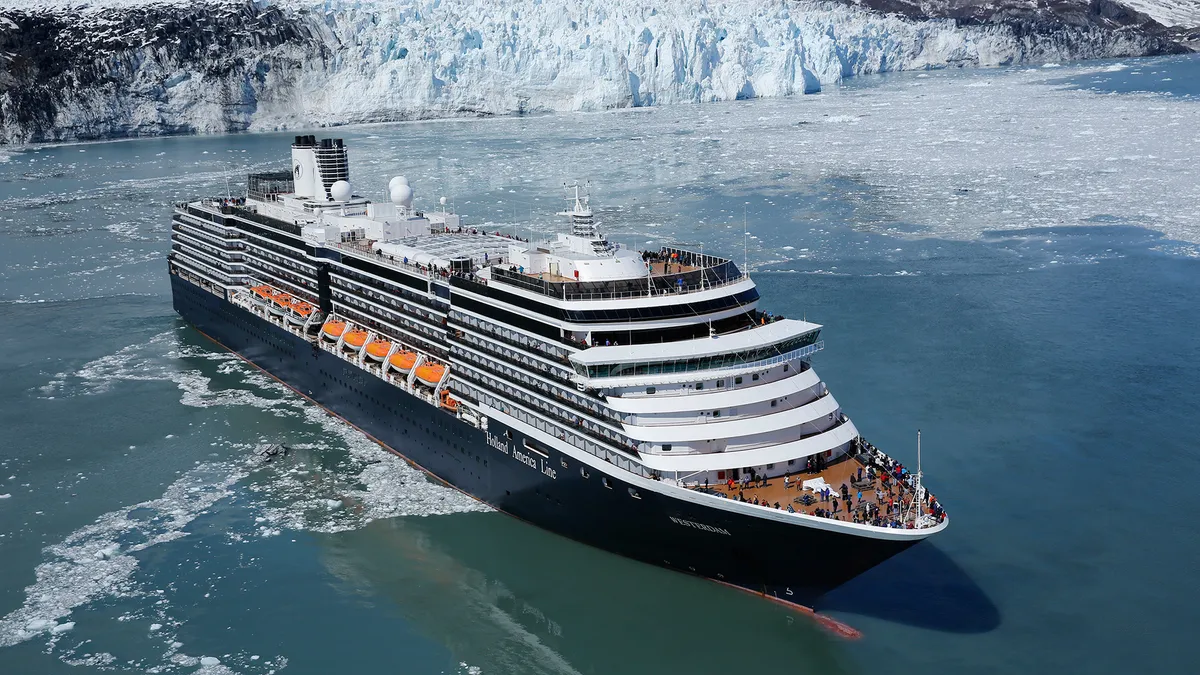
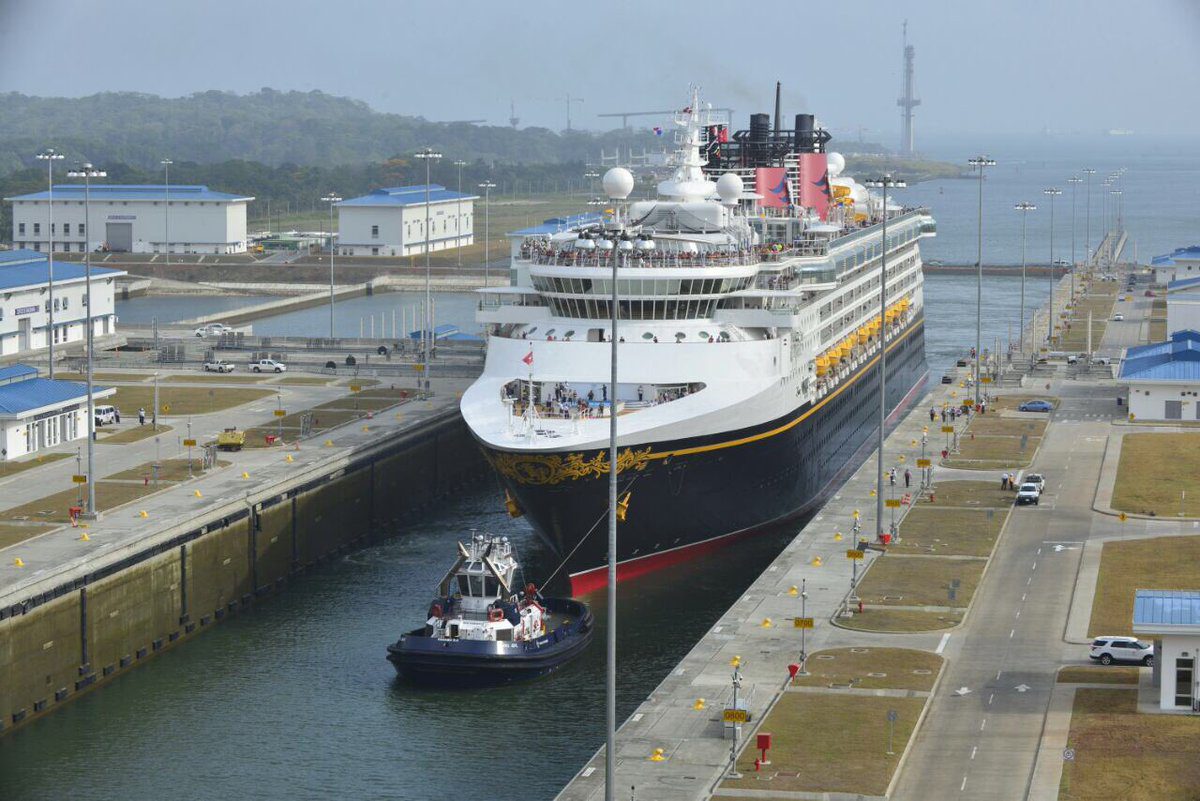
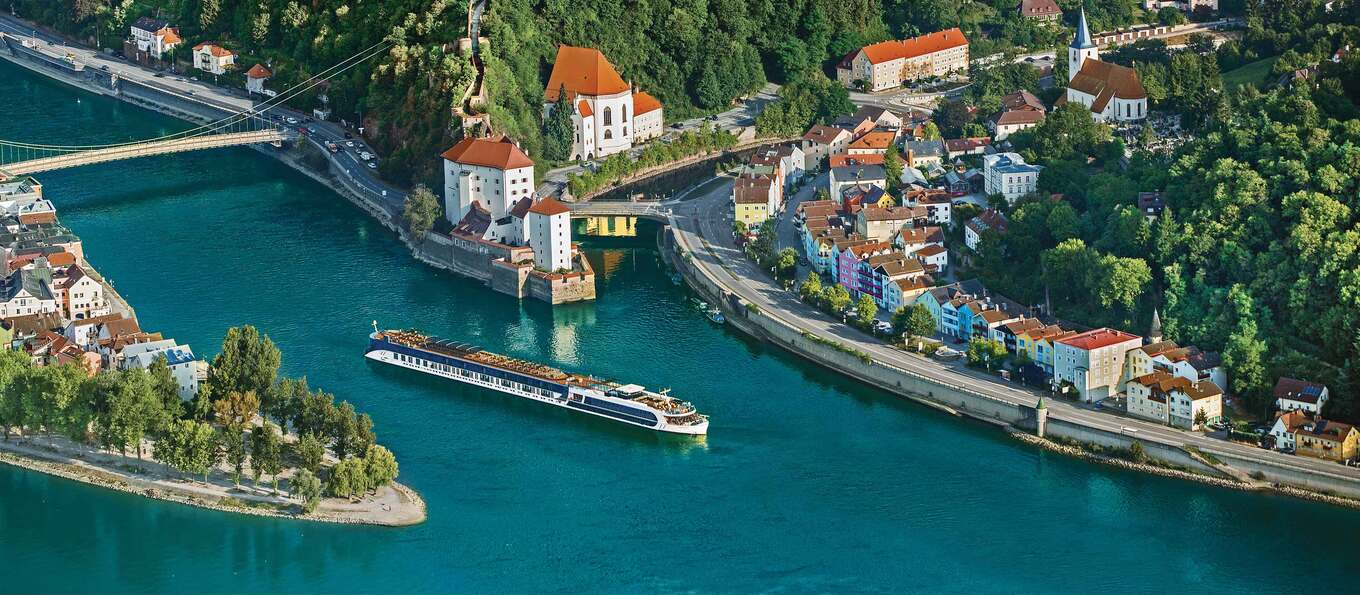
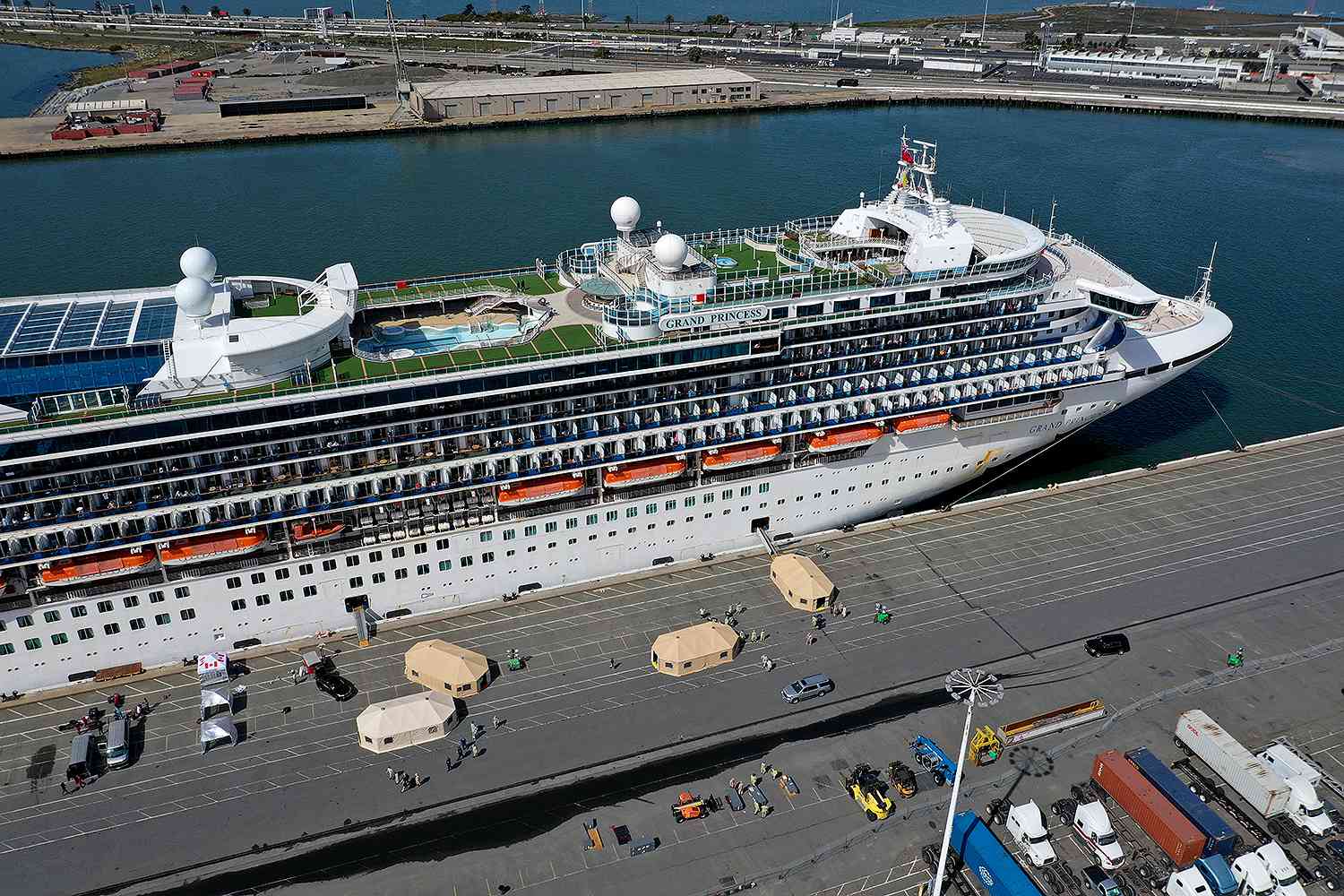
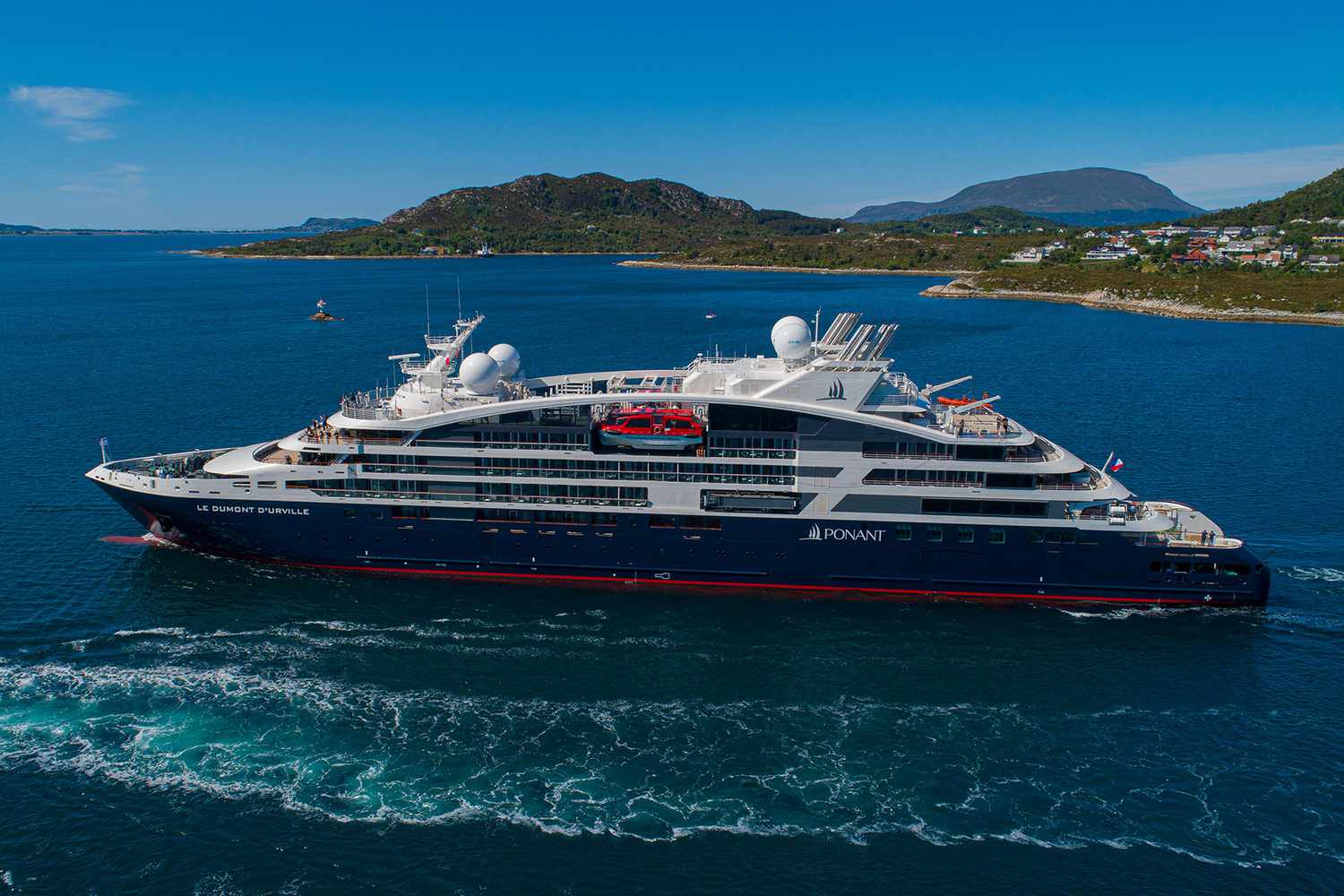
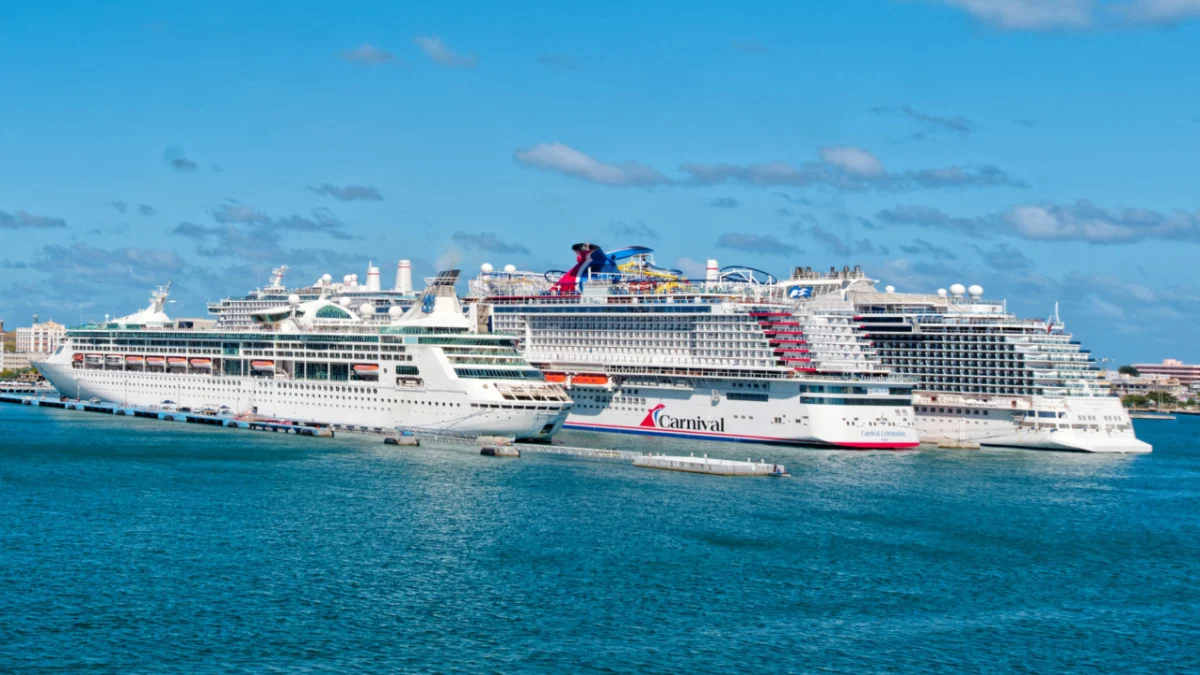
Several cruise lines including Princess Cruises, Compagnie du Ponant, Holland America Line and Cunard Line include the port of Kochi on their Asian and world cruise itineraries.
• Compagnie du Ponant. 1300-857-437; ponant.com
• Cunard Line. 132-441; cunard.com
• HAL. 1300-987-321; hollandamerica.com
• Princess Cruises. 132-488; princess.com
When it comes to backwater houseboats, the following companies offer luxurious cruising options:
• Kayaloram. kayaloram.com
• Taj Hotels. tajhotels.com
• Oberoi Hotels. oberoihotels.com
If your budget’s tight or you’d prefer to ply a different section of Kerala’s backwaters, there are dozens of other houseboat options. For an overview, go to keralahouseboat.org or keralatourism.com
Insight Vacations has launched new tours to India including Kerala. 1300-237-886; insightvacations.com
when to go
The best time to visit Kerala is between August and March, although carry an umbrella if you’re travelling in October or November – the monsoon season.
further information
For information on travel to and around the state of Kerala, visit Kerala Tourism at keralatourism.org or the India Tourism Office at incredibleindia.org
|
|
|
V&T Takeoff
Updates from our editors and writers
 |
The team from the Dallas Convention and Visitors Bureau were in town last week to update Australia on some of the BIG things happening in the Texan state. |
 |
V&T mag dropped into Bali last month and helped the W Retreat & Spa celebrate their 2nd anniversary and what a splash it was. With local and international fashion designers on display, the W Lounge was transformed into a catwalk party zone. 2500 people flowed through the resort late into the night, moving to NYC DJ Sandy Rivera. This was the biggest ticket in Bali for some time and the resorts pulling power is a testament to just how hot this property and international hotel brand actually is.www.vacationsandtravelmag.com/Mca/874/765/3/0/0/#takeoff1 How did we cope the next day? Poolside. Don’t wait until their 3rd anniversary as the vibe, sound and style of this resort makes for a very cool holiday. In the heart of Seminyak and right on the beach, Bali beckons. |
 |
Thanks to our friends at Air France we got out of the office for the day and enjoyed a great round of golf at the annual Financial Markets Charity Golf Day and Gala Dinner. Held annually in February, this event as well as the Financial and Media Markets Charity Sailing Regatta in October raises AU$1.2 million for a wide range of charities.The ASX Group and Thomson Reuters Australia (formerly Reuters) joined forces in 1999 to form a Charity Foundation with the objective of helping Australian-based children, disability and medical research charities by organising fundraising events in conjunction with the Financial Markets. Pictured here: Thomas Reeves Air France, Middle, Patrick Benhamou, Atout France; Anthony Gallagher Vacations & Travel magazine. |
 |
Vacations & Travel magazine rubbed shoulders with local and international buyers and sellers of travel from around the globe at 2013 AIME (Asia Pacific's Incentive Meeting Expo). This is the biggest event on the Australian travel industry calendar, where key decision makers congregate to network over a three-day event of hosted parties, trade and leisure travel meetings and press conferences. |
 |
The who's who of Sydney's entertainment industry turned up for the recent opening of the city's newest hotel to receive a makeover, The Parkroyal. Located in Darling Harbour, the property has just emerged from a milt million-dollar makeover to reveal striking rooms and seriously sexy public spaces. Speaking of sexy, some of the celebs on hand to celebrate the re-launch included Casey Burgess, Danielle Blakey and Amy Milne, not to mention Timomatic who entertained the crowds into the witching hours… |
|
 |
|