V&T Daily
The latest travel news
|
|

overboard in oman
Published in the April-June 2011 issue.
Oman has been described as one of the world’s last great desert adventures – but as Jacqueline Taylor discovers, the country’s underwater offerings are as alluring as those above ground.
As I swap my loose, culturally appropriate layers for a skin-tight wetsuit, the dichotomy of Oman does not escape me. Until 1970, ultra-conservative rule in this petite sultanate banned even such modern trappings as sunglasses and Western clothes. Today, I’m strapping on a fairly state-of-the-art dive kit and preparing to set out with a boatful of adventure travellers as if we own the place.
With more than 2,000 kilometres of coastline bordering an otherwise very hot, dry land, Oman has always had a special relationship with the sea. The typical Omani postcard would probably depict a colourful group of Bedouin fishermen, pulling in their massive nets across a pale beach. The postcard becomes a reality at most beaches you visit, even around the capital, Muscat.

But these days, the postcard could equally show groups of Europeans and Aussies equipped with fins and snorkels and scuba tanks. Because the world is slowly realising just what Oman has to offer under the water.
Hundreds of dive sites, though considerably fewer than that are formally registered, stretch from Musandam in the north – think huge fjords and extreme wall dives – to Salalah in the south, where new and amazing underwater abysses are still being discovered by intrepid travellers.
In between is the Dimaaniyat Islands Nature Reserve, nine uninhabited islets of fossilised coral, the Arabic name of which roughly translates to “string of jewels.” The windward side of this spectacular site gives divers access to a huge range of drop-offs, submerged reefs, caves and swim-throughs. The leeward side has an abundance of turtles, reef fish and corals thriving in sheltered lagoons and shallower waters.
With limited time, I choose to stay close to Muscat – the Oman Dive Centre in coastal town Bandar Jissah, I’m told, is just a 20-minute drive away in theory. I quickly learn that hire-car protocols in Muscat differ from those in most other places. Here, you’re expected to know to top the thing up with petrol right away. I chose to gaze at passing scenery rather than at the fuel gauge, necessitating an unscheduled stop outside the Muscat city limits on a very quiet stretch of desert highway.
In many countries, this would have spelled disaster. But the hospitality for which Omanis are renowned came generously and efficiently into play: a passing bus rescued me, dropping me off at a nearby hotel where I was fed, watered and ferried to the nearest petrol station. Within an hour, I was on my way again, reminded of why this is one of my favourite places on earth.

There’s another reason why I like Oman so much: while many other Middle Eastern destinations are pursuing modernity relentlessly, Oman is taking thoughtful, controlled steps towards its future, with an eye to preserving the natural and cultural beauty of the land. This care has allowed the world’s biggest producer of frankincense to move to the forefront of what it means to be both modern and sustainable.
Oman is now squarely on the map for adventure tourists: mountain climbers, trekkers, cavers and 4WD fanatics flock here. Birdwatching, dolphin-spotting, whale-watching and turtle-viewing tours are all available, as are ecotourism safaris to check out endangered species such as the Arabian leopard and oryx. Yet at first glance, Oman does not seem to have changed dramatically since the rule of Said bin Taimur, who kept the nation in cultural isolation from the west until he was ousted by his son, Qaboos bin Said, in July 1970.
Under Said bin Taimur’s rule, the country had been locked in a sort of Dark Ages: development was halted and most Omani citizens lived in poverty in labyrinthine towns with medieval irrigation systems, in single-room palm-frond or mud-brick houses similar to those I zip past on my way to the dive centre.
In contrast to the shimmering blue-mosaic minarets and whitewashed neighbourhoods of Muscat, the landscape here is cinematically expansive. Craggy, sharply striated mountains of slate rise suddenly from the flat plain. The mountains gradually become hills and the colours around me shift into a uniform shade of sand.
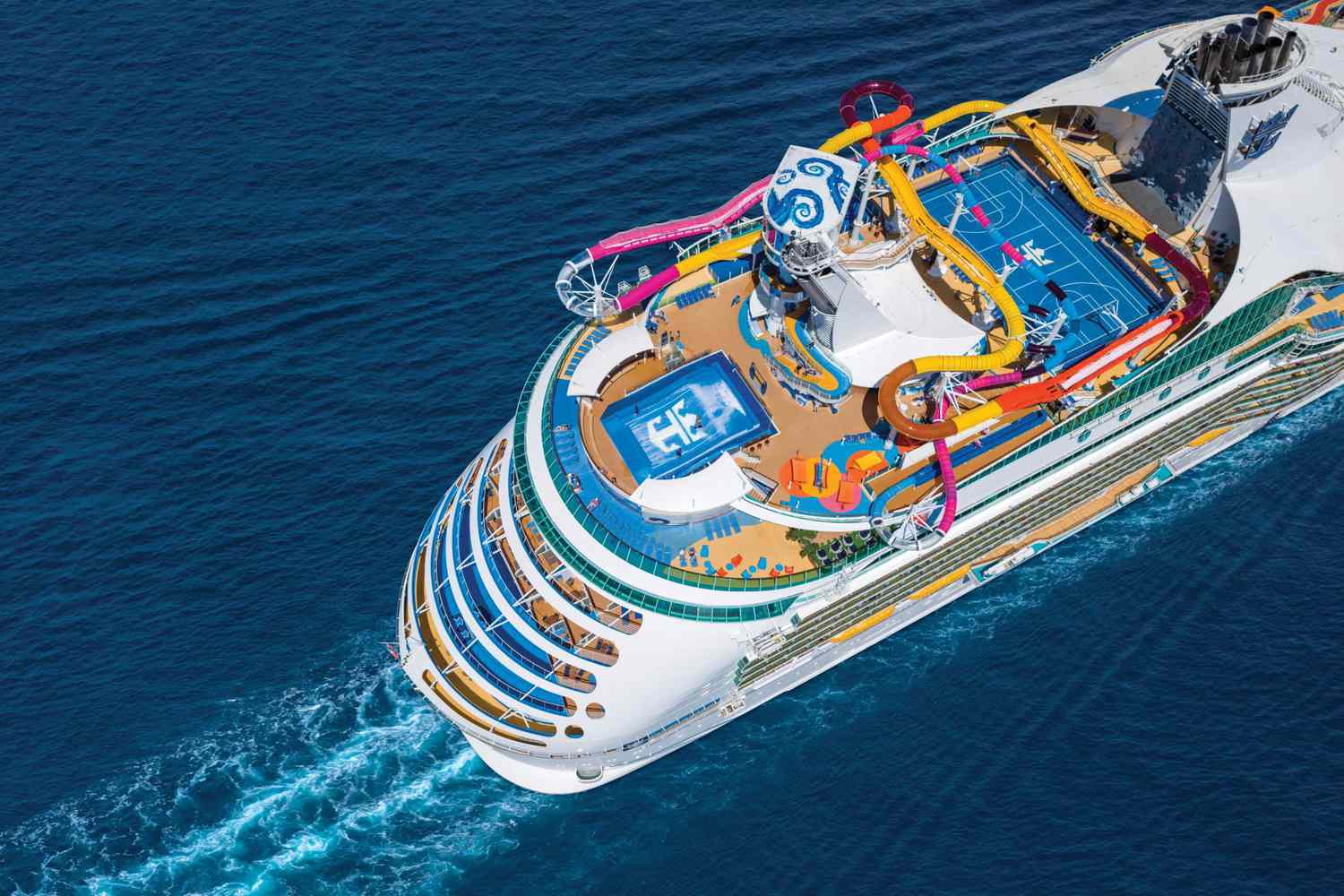
The Oman Dive Centre is situated on its very own bay, a dry, caramel-coloured landscape stretching from the surrounding hills to the beach. A remarkably still expanse of aquamarine water spreads before it. Now I’m here, all I want is to sit and do very little. I’ve booked a barasti – a traditionally styled palm-frond hut – right on the beach, and am pleasantly surprised by my lodging’s tasteful mix of authentic and modern appointments.

My hut is clean and while sparsely furnished, it has all the right elements to make it liveable: air conditioning that works; a minibar – a little luxury in this part of the world; beach towels; and an alfresco ensuite with a shower I can’t wait to try after my brush with the desert.
I emerge for lunch on the dive centre’s shaded terrace, where I get talking with a group of extremely brown, sandy-haired Germans, relaxing as only satiated divers can. They’re engaged in a heated debate about whether the diving in Oman is comparable with better known and thus more crowded live-aboard trips around Egypt’s Red Sea sites.
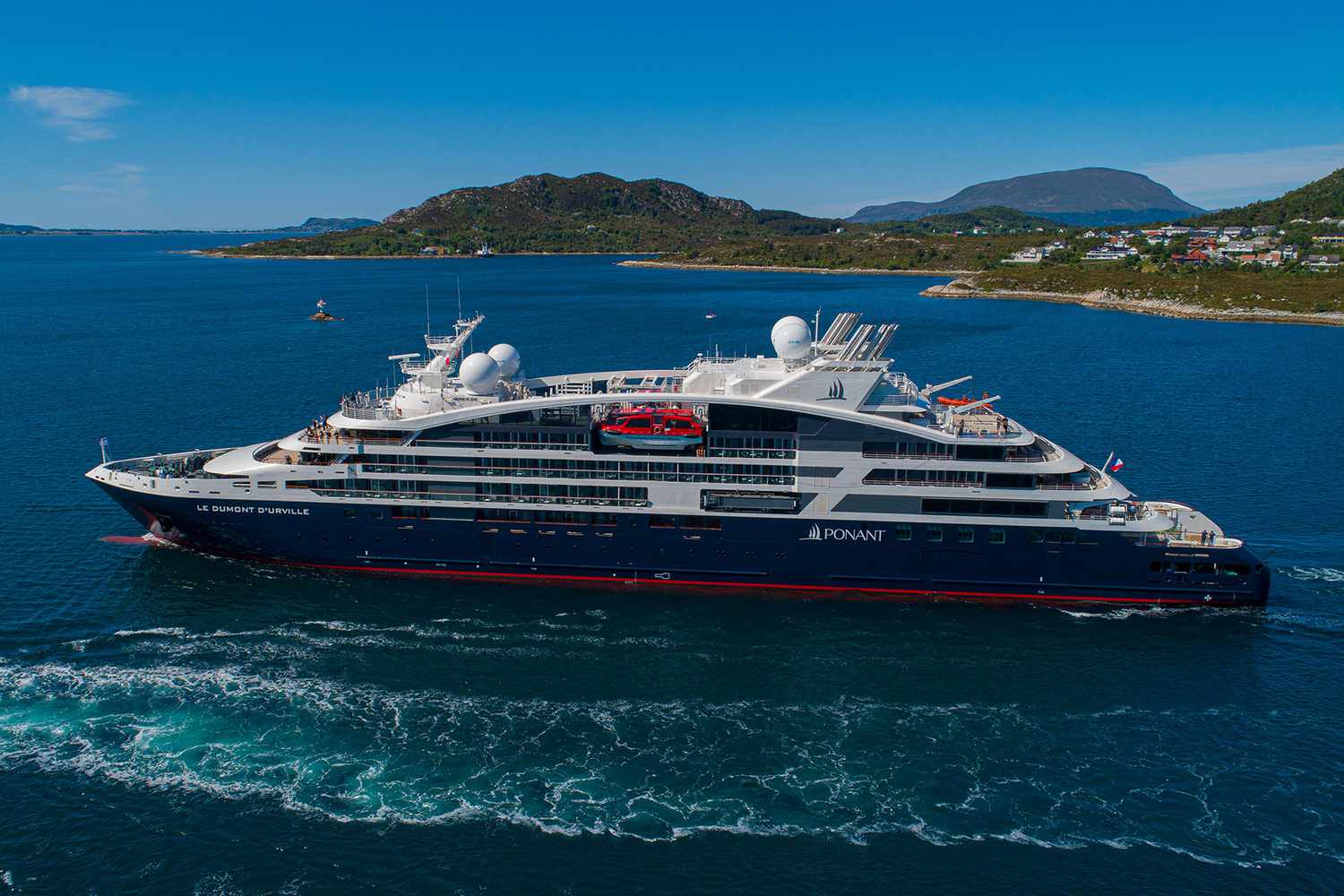
A stingray the size of a dinner plate glides nonchalantly past; needlefish school around me and dart toward the coral. Up ahead, I spot a cluster of bright-red octopi in rocky hideaways. The water is less than completely clear and perhaps paler in colour than at some dive sites in the region, but the diversity of marine life I’d been promised is certainly delivered.
The snorkel is a perfect prelude to my first dive, a two-tank experience scheduled for the next morning. The boat, pointed toward popular Fahal Island, is loaded with resort guests and daytrippers, which means the water is a little crowded when we make it to our destination.
I use my first dive to reacquaint myself with the peculiarities of scuba diving – hand signals, getting my buoyancy just right – helped by a friendly instructor who recognises someone who hasn’t been underwater in a while.
On my second dive, I pull away from the group and am rewarded with multicoloured schools of fish, fearlessly surrounding me before flitting away in the filtered light.
Buoyed by my morning success, I find myself wanting more, and after an egging-on from the staff and certain Germans, I sign on for my first-ever night dive.
During the cooler months, nights in Oman can be chilly, and that includes the water: I learn that a five-millimetre wetsuit is a good idea. A large jellyfish population along the country’s east coast (reputedly worse just before the monsoon season) means gloves and booties come in handy as well.

The waters around Bandar Jissah are only 15 metres deep and very colourful. There are vivid corals and boulders that divers and fish alike love to swim around, and the site is relatively compact, making it perfect for a night dive.
We motor out just past the point, receive our final briefing and plunge into the black water. Finning languidly through the underwater darkness, anxiety gradually fading, I spot reef sharks socialising; spectacularly striped lionfish glide by. Growing confident, I begin exploring nooks and crannies with my torch, on the lookout for shyer creatures: spider crabs, slug-like nudibranchs; lobsters going about their nocturnal business in this thriving underwater “city.” It’s only when I look up, my torch facing downwards, that I gasp – which is easier said than done when you have breathing apparatus in your mouth.
My fellow divers glow blue-green above me, their fins iridescent with the energy of millions of bioluminescent micro-organisms. I raise my hand and run it through the water; the brightness of the trailing glow changes with the speed of my movements. I fin across to a spot where there’s an even heavier concentration of these extraordinary underwater lights, take a slow, deep breath and switch my torch off. There was little sound beforehand but it’s especially quiet now as I hover, 12 metres below the surface of the Gulf of Oman in the middle of the night, and simply glow. •
Photographs courtesy of Tourism Oman.
TRAVEL FACTS
getting there
Emirates flies daily from Sydney, Melbourne, Brisbane and Perth to Muscat via Dubai. 1300-303-777; emirates.com/au
getting around
Driving around Oman is surprisingly easy, provided you have petrol in the tank. Most major international rental companies operate in Muscat and in main towns around the country.
when to go
Travel is best between mid-October and the end of April; over the summer months, May to September, daytime temperatures hover around 35 degrees and can top 50°C. Diving is available year-round, with visibility widely considered to be best in May. Keep Islamic holidays in mind when you travel. During Ramadan, for example, there are severe restrictions on the opening hours of restaurants, public eating, smoking and the sale of alcohol.
where to stay
The Oman Dive Centre is a 20-minute drive out of Muscat. Apart from the dive centre, it has a dive school and lots of family-friendly activities. 968/2482-4240; diveoman.com.om
where to drink
The John Barry Bar at the Grand Hyatt Muscat resembles a sunken ship whose recovered treasure was reputedly used by a Yemeni prince to build the hotel. Wood panelling, cigars and the distinct feeling that you’re afloat makes it perfect for a post-dive whisky. 968/2464-1234; muscat.grand.hyatt.com
further information
Contact the Sultanate of Oman Tourism for information on the country’s dive sites. 61-2/9286-8930; tourismoman.com.au
|
|
|
V&T Takeoff
Updates from our editors and writers
 |
The team from the Dallas Convention and Visitors Bureau were in town last week to update Australia on some of the BIG things happening in the Texan state. |
 |
V&T mag dropped into Bali last month and helped the W Retreat & Spa celebrate their 2nd anniversary and what a splash it was. With local and international fashion designers on display, the W Lounge was transformed into a catwalk party zone. 2500 people flowed through the resort late into the night, moving to NYC DJ Sandy Rivera. This was the biggest ticket in Bali for some time and the resorts pulling power is a testament to just how hot this property and international hotel brand actually is.www.vacationsandtravelmag.com/Mca/874/765/3/0/0/#takeoff1 How did we cope the next day? Poolside. Don’t wait until their 3rd anniversary as the vibe, sound and style of this resort makes for a very cool holiday. In the heart of Seminyak and right on the beach, Bali beckons. |
 |
Thanks to our friends at Air France we got out of the office for the day and enjoyed a great round of golf at the annual Financial Markets Charity Golf Day and Gala Dinner. Held annually in February, this event as well as the Financial and Media Markets Charity Sailing Regatta in October raises AU$1.2 million for a wide range of charities.The ASX Group and Thomson Reuters Australia (formerly Reuters) joined forces in 1999 to form a Charity Foundation with the objective of helping Australian-based children, disability and medical research charities by organising fundraising events in conjunction with the Financial Markets. Pictured here: Thomas Reeves Air France, Middle, Patrick Benhamou, Atout France; Anthony Gallagher Vacations & Travel magazine. |
 |
Vacations & Travel magazine rubbed shoulders with local and international buyers and sellers of travel from around the globe at 2013 AIME (Asia Pacific's Incentive Meeting Expo). This is the biggest event on the Australian travel industry calendar, where key decision makers congregate to network over a three-day event of hosted parties, trade and leisure travel meetings and press conferences. |
 |
The who's who of Sydney's entertainment industry turned up for the recent opening of the city's newest hotel to receive a makeover, The Parkroyal. Located in Darling Harbour, the property has just emerged from a milt million-dollar makeover to reveal striking rooms and seriously sexy public spaces. Speaking of sexy, some of the celebs on hand to celebrate the re-launch included Casey Burgess, Danielle Blakey and Amy Milne, not to mention Timomatic who entertained the crowds into the witching hours… |
|
 |
|